
简介:
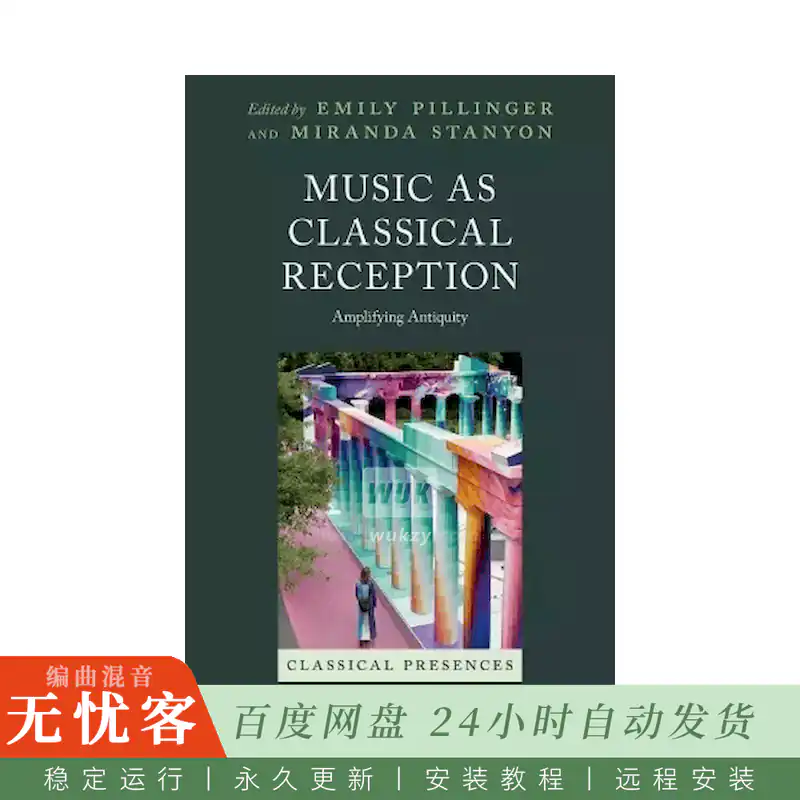
音乐作为古典接收放大古代 (古典存在)
2026 | 英语 | 0198957998 | PDF | 320页 | 22 MB
音乐作为古典接受: 放大古代将音乐作为古典接受的场所,从歌剧的早期现代兴起到当代嘻哈。该卷的贡献者探索音乐流派和古典来源的主题-神话,史诗,抒情,历史,哲学,考古学-以证明音乐对古典古代的持久重要性,反之亦然。
受古希腊和罗马启发的音乐财富基于一个明显的悖论: 与视觉艺术,语言文本甚至物质文化和建筑相比,珍贵的古代音乐遗存很少,留下的痕迹在任何直接意义上都是听不见的; 尽管如此,古典古代激起并允许了各种各样的音乐接待。这个编辑的集合提供了古代和后来的音乐制作人之间的生成相遇的案例研究,但也询问了新的声音是如何被想象成从近乎沉默中出现的。
接收不仅可以呼应过去,而且可以使过去的声音更大,调高当前静音或听不见的音量吗?简而言之,放大古代意味着什么?该卷提出了放大作为一种与更广泛领域相关的接受研究的新模型,作为一组技术,修辞技巧和声音概念。这些章节借鉴了经典,音乐,声音研究,文学研究以及知识和文化历史,探讨了三种不同的接受方式和背景: 古代单词的音乐设置;对古代生活,思想和神话的音乐重新想象;与graeco-roman古代的膨胀,有时是倾斜的相遇,这些相遇是由电放大和随之而来的媒体变化提供动力的。
简介:
Music as Classical Reception Amplifying Antiquity (Classical Presences)
2026 | English | 0198957998 | PDF | 320 pages | 22 MB
Musical as Classical Reception: Amplifying Antiquity investigates music as a site of classical reception from the early modern rise of opera to contemporary hip-hop. The volume’s contributors explore topics across musical genres and classical sources–myth, epic, lyric, history, philosophy, archaeology–to demonstrate the enduring importance of music to engagements with classical antiquity, and vice versa.
The wealth of music inspired by ancient Greece and Rome rests on an apparent paradox: compared with visual art, linguistic texts, or even material culture and architecture, precious little remains of ancient music, and what traces have remained are not audible in any straightforward sense; nonetheless, classical antiquity has provoked and permitted an extraordinary variety and volume of musical receptions. This edited collection offers case studies of the generative encounter between antiquity and later music makers, but also asks how new sounds are imagined as emerging from near-silence.
Can a reception not only echo the past, but make the past louder, turning up the volume on what is currently muted or inaudible? In short, what does it mean to amplify antiquity? The volume proposes amplification as a new model for reception studies with relevance to the wider field, as a set of technologies, a rhetorical technique, and a sonic concept. Drawing on classics, music, sound studies, literary studies, and intellectual and cultural history, the chapters explore three different modes and contexts of reception: musical settings of ancient words; musical reimaginings of ancient lives, ideas, and myths; and the expansive and sometimes oblique encounters with Graeco-Roman antiquity that are powered by electric amplification and the media changes that come in its wake.





评论0